




.svg)
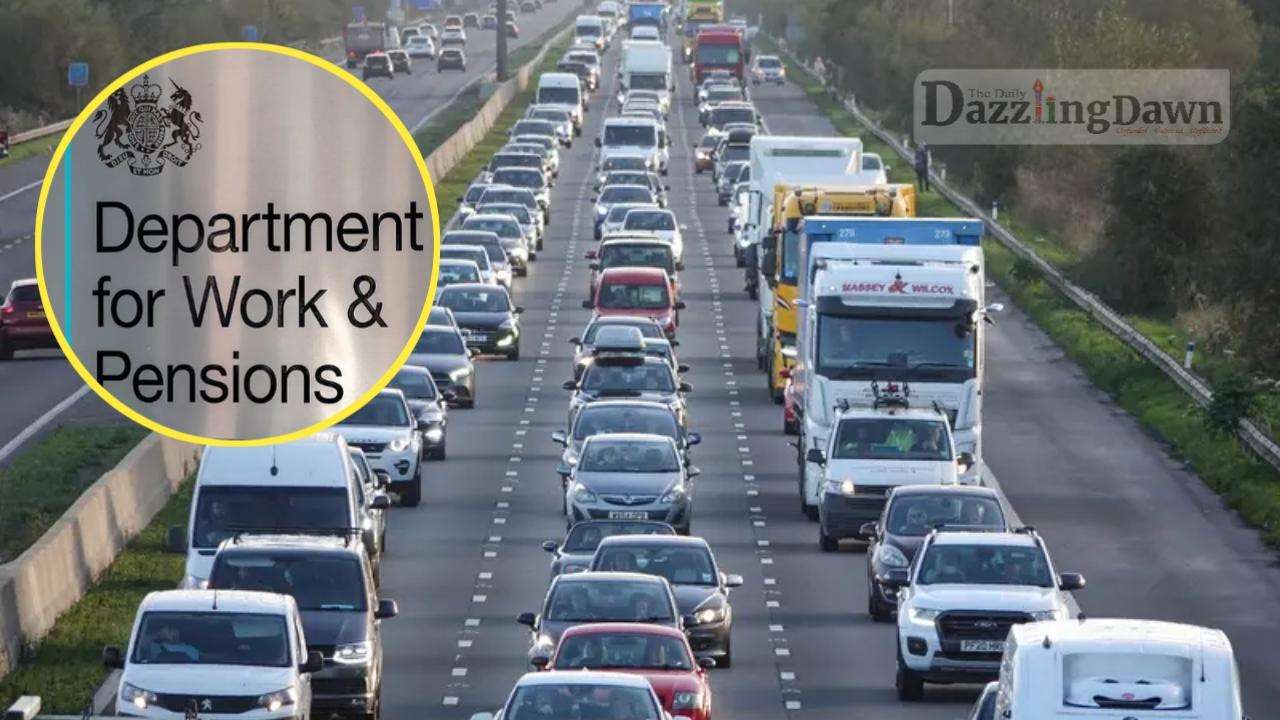
The Department for Work and Pensions has formally activated sweeping statutory powers across England, Scotland, and Wales from today, enabling civil courts to disqualify individuals with outstanding benefit debts from driving. Under the framework established by the Public Authorities (Fraud, Error and Recovery) Act 2025, state officials can target former benefit claimants who owe at least £1,000 and persistently refuse repayment plans despite holding sufficient financial assets. The initiative forms part of an expansive Whitehall drive to recoup billions of pounds in overpayments and curb welfare evasion across Britain over the coming five years.
Ministers have emphasised that the suspension of driving licences will operate strictly as an enforcement sanction of last resort rather than an automatic administrative penalty. Whitehall officials cannot unilaterally confiscate or cancel driving permits without formal judicial scrutiny. Before any disqualification order is granted, government representatives must present evidence before a court demonstrating that standard debt-recovery procedures have failed and that the debtor possesses the financial means to clear the balance but has deliberately refused to cooperate.
The statutory regulations instruct judges to review the personal and professional circumstances of each debtor before issuing an enforcement order. Crucially, the court must determine whether retaining a driving licence represents an essential requirement for the individual. Protections remain written into the legislation for commercial drivers, delivery couriers, shift workers lacking public transport alternatives, and individuals providing primary care to dependent relatives. Where a court determines that losing a vehicle would terminate legitimate employment or jeopardize crucial caregiving duties, a disqualification cannot be imposed.
Where a disqualification is deemed appropriate, the primary order is initially suspended to allow the debtor to abide by a revised court-mandated repayment schedule. If the individual breaches those court terms without reasonable justification, an immediate driving disqualification takes effect for up to two years. Under the legislation, any active driving ban must be revoked immediately once the outstanding debt is settled in full with the Department for Work and Pensions.
Beyond vehicle licensing restrictions, the legislation equips authorities with Direct Deduction Orders that allow debt recovery straight from qualifying bank accounts without prior court litigation. Officials are required to conduct formal vulnerability assessments and income verifications to confirm that deductions do not push vulnerable citizens beneath statutory living thresholds.
Daily Dazzling Dawn understands that approximately 885,000 individuals across Great Britain currently carry outstanding welfare-related liabilities while no longer receiving working-age benefits. The government expects the coordinated package of direct recoveries, heightened data-matching with financial institutions, and court-backed licence suspensions to contribute directly toward an estimated £14.6 billion reduction in fraud, administrative error, and uncollected debt over five years.
Senior policy analysts speaking to Daily Dazzling Dawn indicated that the measures reflect a deliberate transition toward private-sector enforcement mechanics within the civil service. By pairing direct bank account recovery with the threat of transport restrictions, authorities are seeking to eliminate lengthy legal bottlenecks while encouraging early settlement negotiations through established departmental hotlines.
The measures have ignited significant debate among debt-advice charities, legal specialists, and trade unions regarding the boundaries of state debt collection. Consumer protection advocates caution that while fraud must be penalised, administrative errors by central departments account for substantial overpayment sums recorded in recent financial years. Representatives from welfare rights groups told journalists that individuals who stop opening correspondence due to severe mental distress or chronic illness could inadvertently be categorised as non-compliant debtors if vulnerability checks falter.
Fleet management operators and regional businesses have also been urged to audit employee driving status more frequently. Because driving disqualification orders originate from civil debt proceedings rather than road traffic offences, employers who rely on staff driving their own vehicles for work could face compliance liabilities if workers conceal pending court orders.
The Department for Work and Pensions maintains that clear channels remain open for anyone with historic overpayments to agree affordable, income-graded instalments. Ministers have reiterated that the court sanctions will apply exclusively to debtors who maintain the disposable wealth to settle legitimate public debts yet choose sustained non-compliance.