




.svg)
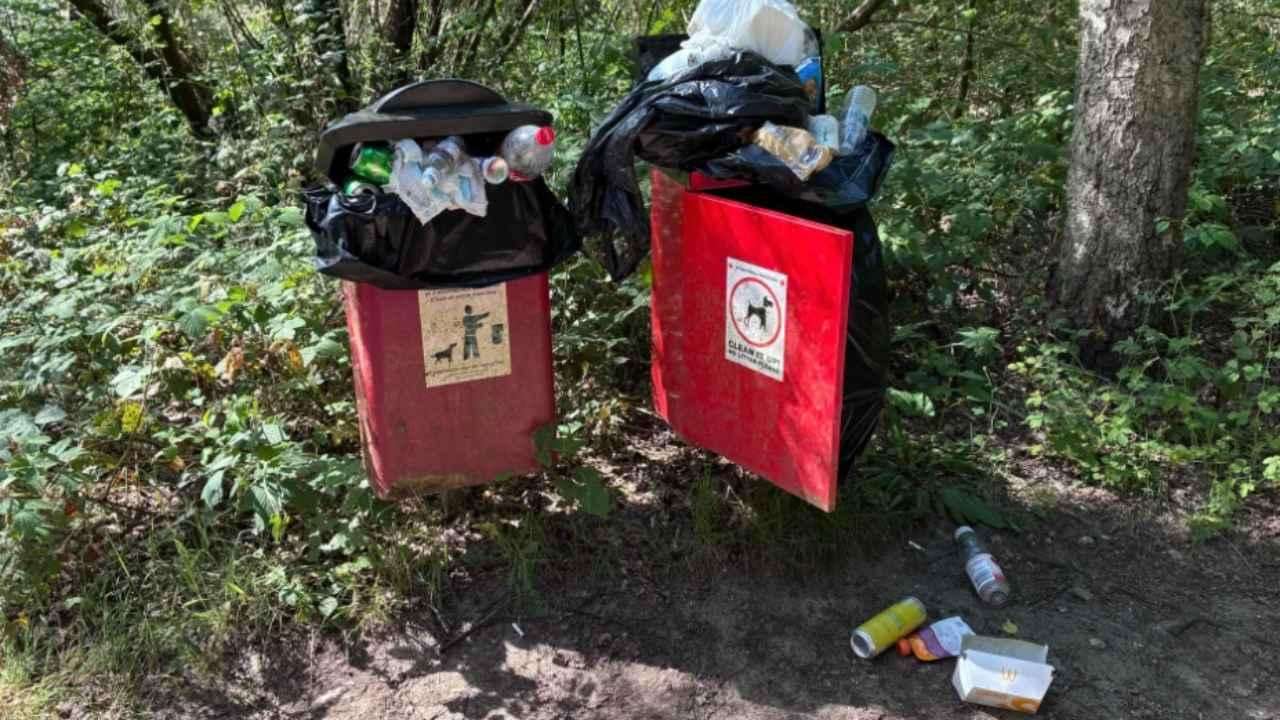
A London council has faced strong criticism from residents after announcing plans to remove 700 dog-waste bins across the borough in an effort to reduce spending. Hillingdon Council, which is Conservative-run, says the changes could save up to £160,000 annually by allowing dog owners to dispose of bagged waste in existing public litter bins. However, residents and opposition councillors fear the decision could lead to overflowing rubbish bins, unpleasant smells and an increase in dog waste being abandoned in streets and public spaces.
The proposal has prompted concern among dog owners and community representatives in west London, particularly in areas where existing waste facilities are already under pressure. The council says it intends to make better use of almost 1,500 ordinary litter bins across Hillingdon rather than maintaining two separate waste collection services.
Daniel O’Neill, chief road steward at Ruislip Residents’ Association, said residents were worried that removing dedicated dog-waste facilities would encourage irresponsible disposal.
He warned that dog owners could struggle to find suitable places to discard waste bags, particularly in parks and woodland areas where general litter bins are limited.
O’Neill has also used an AI-generated Christmas tree image decorated with bags of dog waste to illustrate what he believes could happen if the council proceeds with the changes.
The issue has become a major talking point among residents, with concerns extending beyond the inconvenience of losing dedicated bins to questions about public cleanliness and the management of waste in residential neighbourhoods.
According to the report, dogs in Hillingdon produce approximately 174 tonnes of faeces every year. Until now, owners have generally collected the waste in bags and deposited it in specially designated dog-waste bins.
Sital Punja, a Labour opposition councillor who regularly walks her springer-poodle, Marley, in Ruislip Woods, said the proposed removals had become a frequent subject of discussion among local dog owners.
She argued that existing dog-waste bins in woodland areas were already overflowing and that the number of ordinary litter bins was insufficient to accommodate the additional waste.
Punja also raised concerns about hygiene, explaining that dedicated dog-waste bins have lids designed to contain unpleasant smells. Ordinary public litter bins may not provide the same protection, potentially attracting foxes and other animals.
She described the council's decision as poorly considered and questioned whether removing dedicated facilities would solve the borough's waste management problems.
The concerns reflect a wider debate about the responsibilities of dog owners and local authorities in maintaining clean public spaces.
Hillingdon Council says the changes are part of efforts to manage growing financial pressures and reduce the cost of providing local services.
A council report outlining the proposal estimates savings of £160,000, with approximately £60,000 expected to be reinvested in street cleaning. The authority aims to reduce duplication by incorporating dog-waste collections into its existing street-cleansing arrangements.
The borough is also facing significant financial challenges. According to the source report, its debts are increasing by approximately £5.6 million annually, while the schools grant deficit has reached £101.5 million.
The government has reportedly raised serious concerns about Hillingdon's financial position, potentially affecting its ability to continue receiving exceptional financial support from central government.
The council has maintained a long-standing policy of freezing council tax, a decision that has also attracted criticism from some local residents and community representatives.
O’Neill argued that increasing council tax to a level closer to the London average could generate significantly more revenue than the savings expected from removing dog-waste bins. He estimated that such an adjustment could bring in an additional £26 million.
He said residents often paid limited attention to wider financial issues but reacted strongly when changes directly affected everyday facilities in their neighbourhoods.
Wayne Bridges, Hillingdon Council's cabinet member for residents' services, acknowledged that some residents had concerns but defended the proposed changes.
He said the authority was not removing the ability to dispose of dog waste safely, but changing how it was collected.
Bridges explained that the borough already had nearly 1,500 ordinary public litter bins that could accommodate bagged dog waste. According to the council, using these facilities would more than double the available capacity for disposal.
He said the arrangement would allow collections to become part of existing street-cleansing operations, removing the expense of maintaining separate collection services.
The council also pointed out that many local authorities across the country already allow residents to dispose of dog waste through general public waste arrangements.
However, residents remain concerned about whether the existing infrastructure can cope with the additional demand, particularly in parks, woodland areas and popular dog-walking locations.
Hillingdon is not the only local authority to consider removing dedicated dog-waste bins as a cost-saving measure. Similar proposals have generated opposition in Cornwall, Kent, North Somerset and other parts of the UK.
The debate highlights the difficult decisions facing councils as they attempt to manage financial pressures while maintaining everyday public services.
For dog owners, accessible waste facilities are an important part of responsible pet ownership. For local authorities, however, maintaining separate collection arrangements can create additional operational costs.
The success of Hillingdon's proposed approach will depend largely on whether ordinary litter bins can accommodate the additional waste without creating problems involving overflowing containers, unpleasant smells or reduced cleanliness.
Residents will also be watching to see whether the promised investment in street cleaning makes a noticeable difference across the borough.
The issue raises a wider question about how councils should balance financial savings with the everyday needs of the communities they serve.