





.svg)
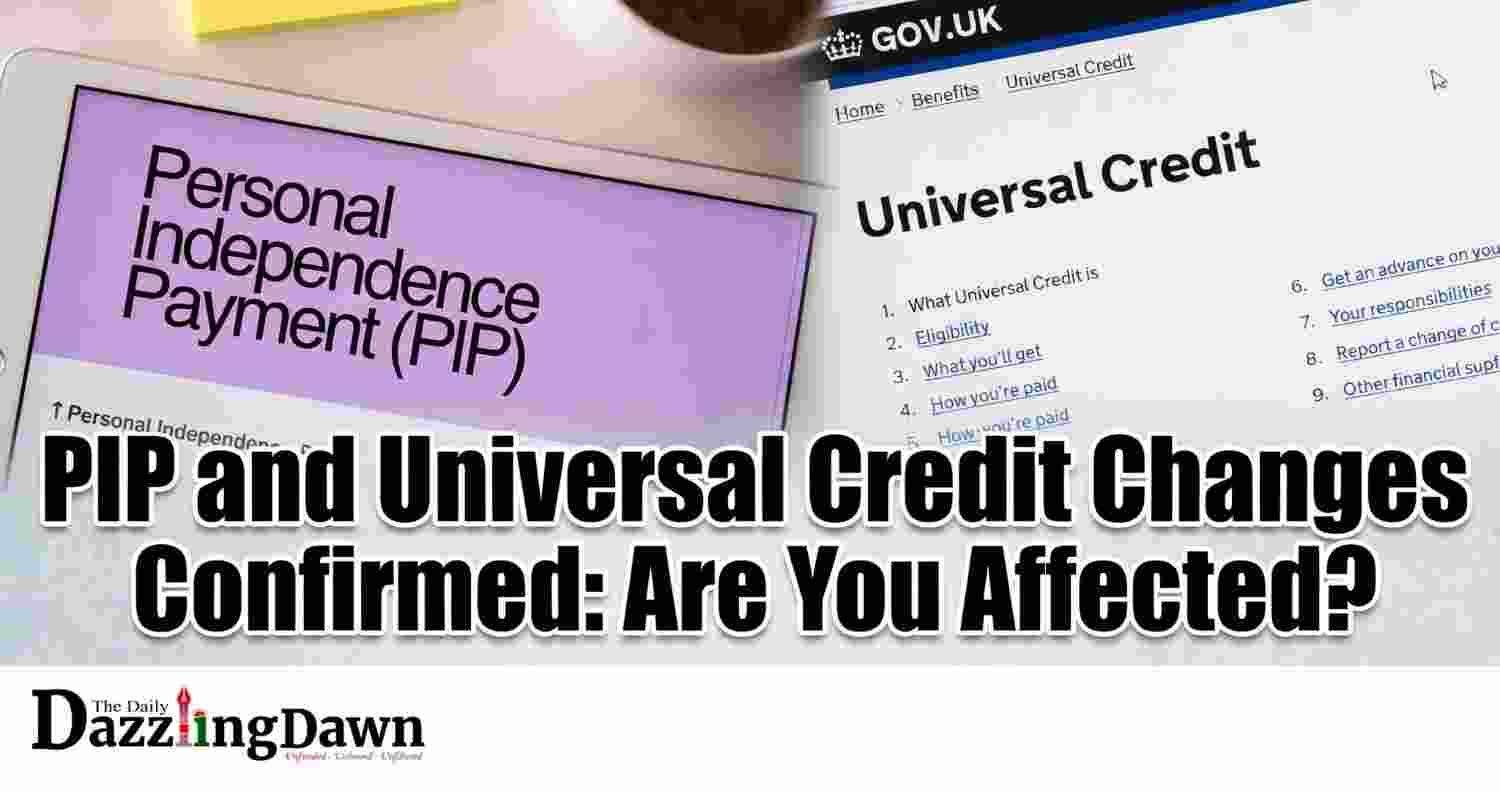
Chancellor John Healey has confirmed that changes to Personal Independence Payment (PIP) and Universal Credit will proceed, setting out a formal timetable in Wednesday's Budget under which the Government will respond to the Timms and Milburn reviews before the end of 2026, publish a White Paper in early 2027 and bring forward legislation later that year. The confirmation matters most to the 4.09 million people in England and Wales who were entitled to claim PIP as of 31 July 2026, a caseload that has grown by 262,045, or seven per cent, in twelve months, and to the wider population of Universal Credit recipients whose entitlements will be shaped by the same reform programme.
The Treasury used the Budget document to endorse the interim finding of the Timms Review, published in July, that PIP is "no longer fit for purpose" and has failed to keep pace with how disability, health and work have changed. Daily Dazzling Dawn understands that ministers regard the November publication of the final Timms and Milburn reports as the decisive moment in the current parliament's welfare agenda, with Sir Stephen Timms examining disability benefits and Alan Milburn examining young people not in education, employment or training.
The pace of the announced schedule has been read by several analysts as a signal that the Government wants to be seen to be acting on welfare reform rather than deferring difficult choices. The Budget document states plainly that the current position is "not good enough when disability can affect anyone at any stage in their lives and almost one in four of the working-age population is classed as disabled."
Recent claim patterns underline the political pressure. Among claimants who had received PIP for up to two years at the end of July, 24,681 cited anxiety disorders as their primary condition. Of those, 7,403, or 30 per cent, were aged 16 to 24, and a further 5,445, or 22 per cent, were aged 25 to 34, meaning more than half of recent PIP claimants for anxiety disorders have yet to reach their mid-thirties.
A Government spokesperson said the increase in the PIP caseload has slowed, falling from 400,000 in the twelve months to July 2024 to 260,000 in the twelve months to July 2026, while insisting that the recommendations of the Timms final report would "lay the foundation for sustainable reform."
Mr Healey has rejected the charge that difficult decisions on welfare have been postponed, telling GB News that ministers are making changes "now" and pointing to earlier adjustments to assessment and conditionality. "This was a broken system," he said. "Two years ago we started putting back in place face-to-face assessments. We've changed terms of Universal Credit, so people don't have to brand themselves as too sick to work."
He added that the longer-term objective remained a smaller benefits bill, achieved, he argued, without crude reductions in support. Speaking to BBC Radio 4's Today programme, the Chancellor said the Government "can never remove completely the cost-of-living pressures that people feel," but that it could help by "creating a bit of breathing space for these households." He told the same programme there would be a "reduction in the benefits bill" before the next General Election, pursued "in a Labour way" because "it is simply not good for Britain or progressive to have a bigger and bigger benefits bill."
Several measures with a direct bearing on Universal Credit and carers had already been announced before the Budget, including the ending of the carer's allowance cliff edge, changes to Motability and a renewed crackdown on fraud. The Budget document also commits the Government to stopping claims management companies from charging people to help them claim benefits, although the only action identified so far has been public information advertising advising claimants that they should not pay to claim attendance allowance.
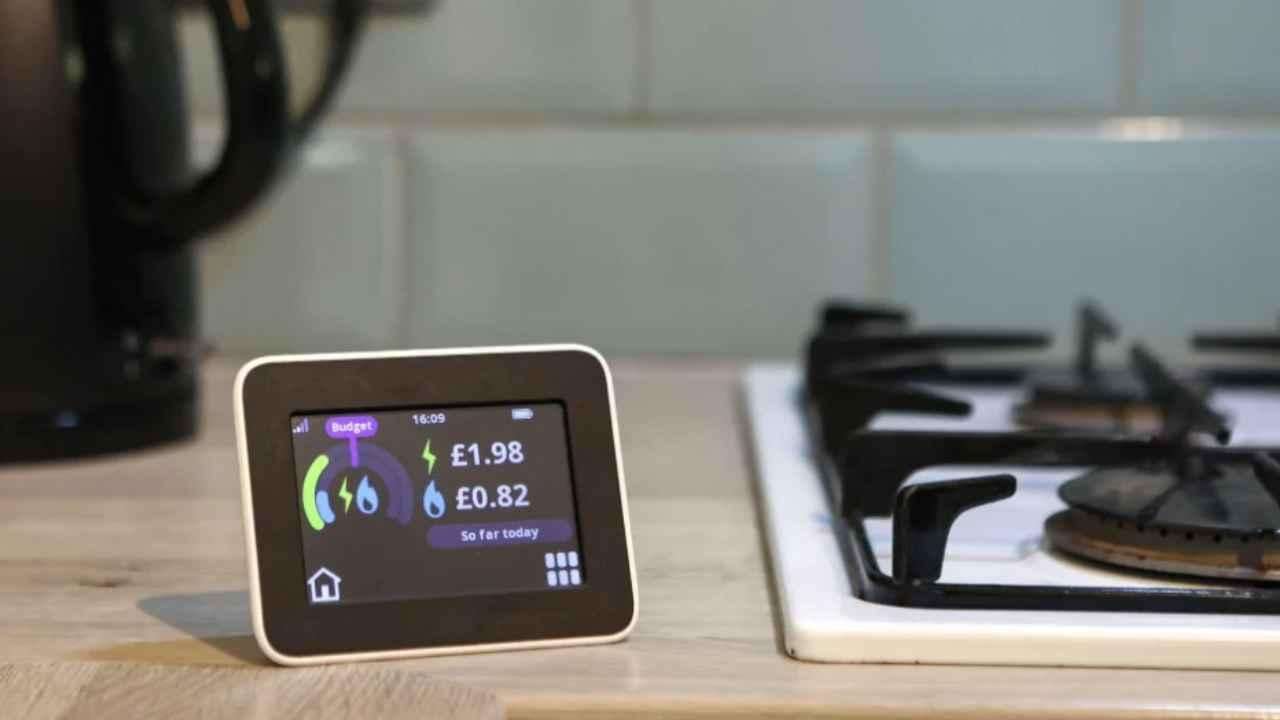
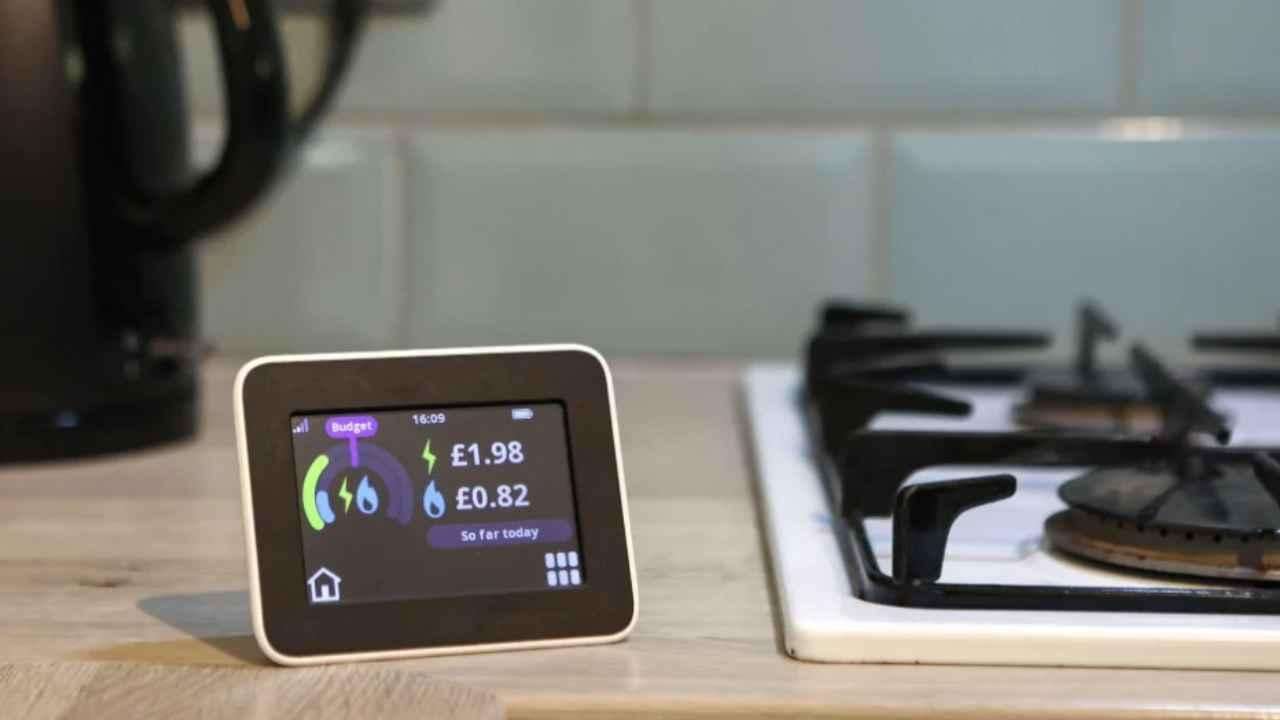
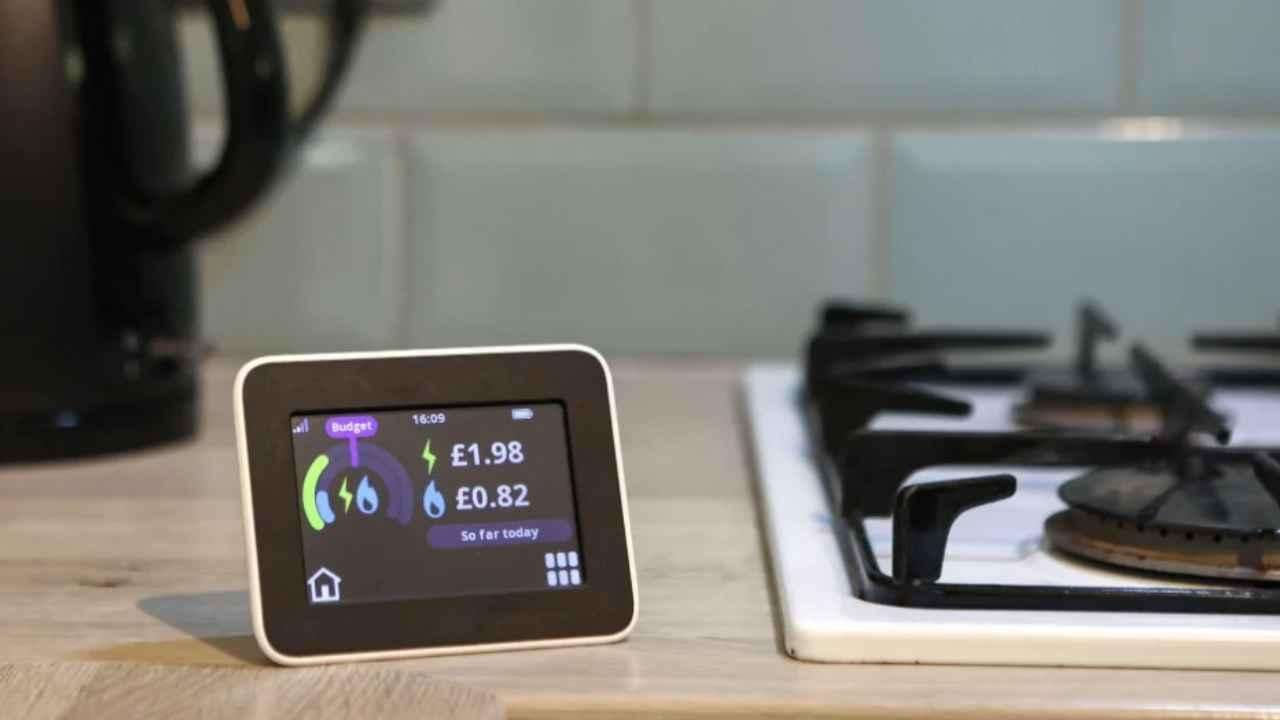
The Budget introduced three measures affecting household bills. A £100 Household Energy Payment will be made to households in Council Tax bands A to D in England from January 2027, covering those liable for council tax on their main home and including most households currently exempt, with full eligibility criteria to be published later.
Standing charges on household gas bills will be removed in 2027, or as soon as possible afterwards, with the cost transferred to the unit price of gas. Low to average users are expected to benefit, while households using large volumes of gas, including those who must keep warm for health reasons, may see higher bills. The Government has said there will be "targeted mitigation for some households."
An Energy Debt Relief scheme will allow energy billpayers on means-tested benefits, disability benefits or pensioner benefits who have built up debt since the 2022-24 energy crisis to have that debt written off, provided they take steps to re-engage with repayment.
Separately, the Department for Work and Pensions reopens the Cold Weather Payment scheme on 1 November 2026, paying £25 for each seven-day period in which the average temperature in an area is recorded or forecast at zero degrees Celsius or below. Almost 1.5 million households in England and Wales received a payment by mid-February last winter. Tom Rogers, Home Expert at Manage At Home, warned that the payments are automatic: "You do not need to follow a link in a text, pay a fee or complete an application to release the money."
The final Timms and Milburn reports are due in November, with the Government's response promised before the year's end. Legislation is expected in 2027, although the practical effect on claimants may lag, given that the Department for Work and Pensions has taken more than three years to change the calculation software for carer's allowance. Daily Dazzling Dawn will report the November findings as they are published.