







.svg)
Scarlett Faulkner, a 28-year-old woman from Longpavement in Limerick, died from a severe traumatic brain injury caused by multiple forceful blows to the head with a blunt weapon, the Central Criminal Court has heard. State Pathologist Dr Margaret Bolster told the jury on Monday, 9 November 2026, that Ms Faulkner had suffered such extensive axonal damage that she was "never going to come out of her coma." The trial continues before Mr Justice Kerida Naidoo.
The court heard that Ms Faulkner was attacked at Birdhill, County Tipperary, on 21 March 2026, and was transferred from University Hospital Limerick to Cork University Hospital on 27 March. She remained in a deeply comatose state until life support was withdrawn on 13 April 2026, when she was pronounced dead at 4:53 pm.
Pathologist Details Catastrophic Injuries- Giving evidence on the fifth day of the trial, Dr Bolster described the extent of Ms Faulkner's injuries with clinical precision. Daily Dazzling Dawn learned that the victim sustained severe axonal injury, whereby the brain moved within the skull, causing tearing of nerve fibres and extensive bruising. The pathologist noted multiple lacerations and fractures to the scalp, bleeding beneath the skull, and fractures to the facial bones, including the lower jawbone.
Dr Bolster told Seoirse Ó Dúnlaing SC, prosecuting, that the injuries would have required a substantial degree of force and were consistent with multiple blows from an iron bar shown to her by An Garda Síochána during the autopsy. The iron bar was produced in court before the jury.
The post-mortem examination revealed further grim details. Ms Faulkner displayed what medical professionals term "panda eyes," suffered a rupture in her right eyeball, and had severe swelling in her left eye. Internal examination showed bruising on the right side of her brain, a fracture on the left side of her face near the ear, and bruising on the left side of her neck. A small teddy bear was found taped to her hospital gown, and hair clips remained in her hair.
Body Found in Lough Erne: Police Extend Questioning of Two Suspects in Carrie Mullane Murder Probe
Dr Bolster concluded that the cause of death was traumatic brain injury due to blunt force trauma from multiple blows with a blunt weapon. While toxicology reports indicated the presence of cocaine, benzodiazepines, and fentanyl in Ms Faulkner's system, the pathologist emphasised that a past history of drug abuse did not contribute to her death. The cocaine was likely consumed at least six hours before the fatal attack.
Trial Hears of Alleged Motive- The prosecution has alleged that the motive for the attack was that Ms Faulkner was in a relationship with the older accused's ex-husband. A 17-year-old girl, who cannot be identified due to her age, has pleaded not guilty to murder but guilty to manslaughter. A 41-year-old woman has pleaded not guilty to murder.
The older accused also faces separate charges to which she has pleaded not guilty: burglary, entering a building as a trespasser, and causing criminal damage at an address in County Tipperary on 20 March 2026. She further denies a charge of burglary and committing assault causing harm at an address in Limerick on 21 March 2026.
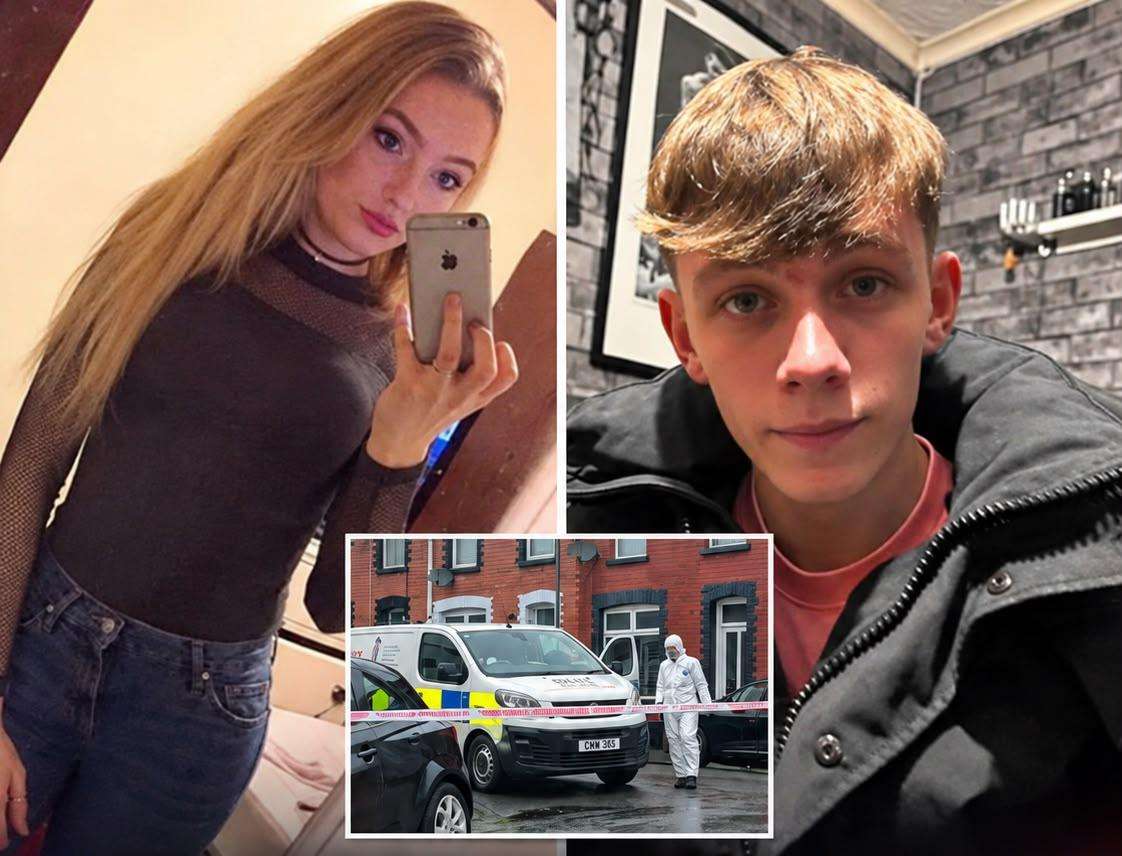
Elexi Manny, 25, denies murdering Tristan Kerr, 17, stabbed through heart playing Fortnite
The prosecution's case is that both accused were part of a joint enterprise that led to Ms Faulkner's death. Neither accused can be named to protect the anonymity of the teenager.
Victim Remembered as Trial Continues- The court heard that Ms Faulkner's family were informed her condition was "extremely grave" and that, in the unlikely event she survived, she would likely have remained in a persistent vegetative state with long-term disabilities. She had also suffered a stroke while on life support.
Daily Dazzling Dawn understands that Ms Faulkner had been receiving treatment at Cork University Hospital for approximately three weeks before the decision was taken to remove life support. The trial, before Mr Justice Kerida Naidoo and a jury, continues tomorrow.





.jpg)