
.jpg)




.svg)
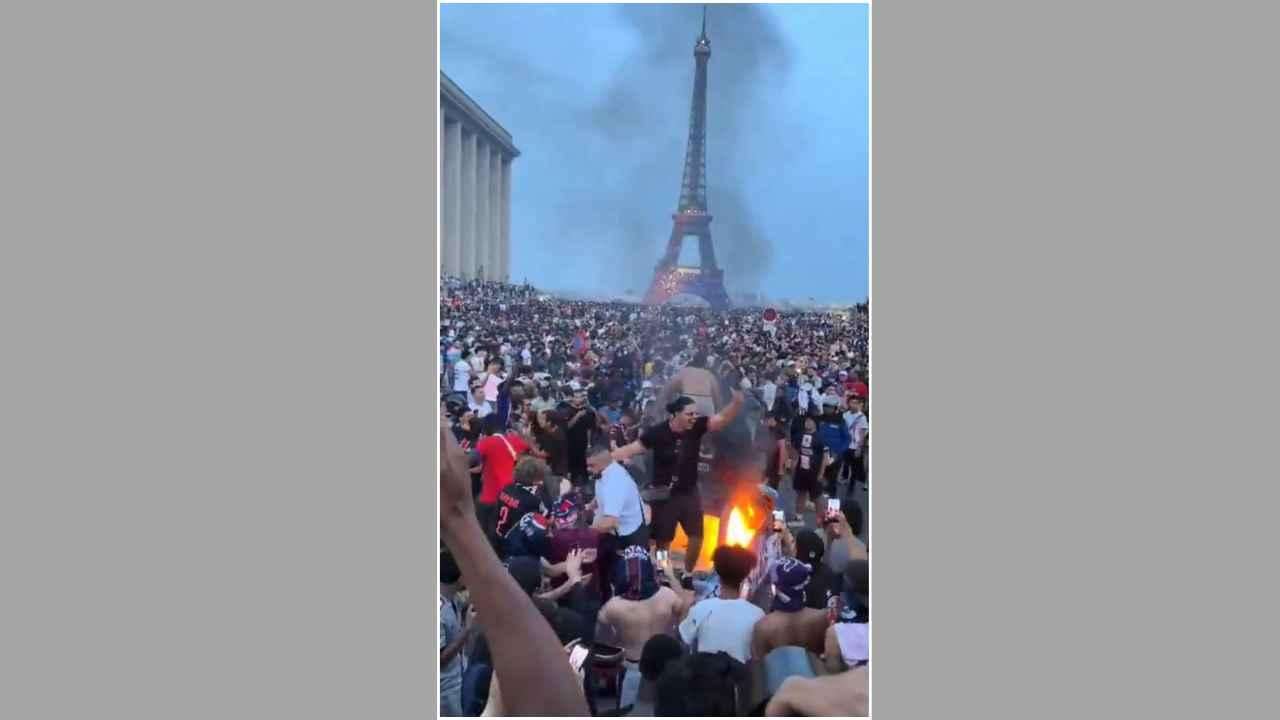
Tens of thousands of French high school students joined by trade unionists, teachers, and parents have staged a widespread day of mobilisation on Tuesday, 6 October 2026, triggering severe unrest and confrontations with law enforcement across multiple major metropolitan areas. According to preliminary interior ministry figures, at least 90,000 demonstrators mobilised during the morning marches alone, with final nationwide turnout expected to climb towards 200,000 as large demonstrations assemble in Paris. The national industrial action has caused acute operational disruptions across nearly 1,800 secondary schools, fuelled by deep grievances regarding understaffed institutions, dilapidated infrastructure, and rigid classroom schedules.
Riot police units deployed tear gas and dispersion measures in Strasbourg, Lyon, and Rennes after localized confrontations broke out between demonstrators and security officers. In the Paris suburb of Blanc-Mesnil, Seine-Saint-Denis, emergency responders treated two teenage girls for injuries sustained during blockades outside an educational compound. Retailers across Paris and regional urban centres erected wooden hoardings to secure shopfronts against potential property damage, reflecting widespread anxiety over civil disorder following a week of escalating unrest.
Tensions surrounding public order have heightened following severe injuries attributed to crowd-control equipment. On Monday, public fury intensified after a 15-year-old protester suffered the traumatic amputation of a hand, reportedly caused by an explosive stun grenade deployed during police operations. France’s Interior Minister Laurent Nuñez defended the state’s security posture, insisting that law enforcement personnel had acted proportionately in almost all confrontations, while noting that more than 6,100 arrests have been logged and 715 police officers injured since the beginning of the dispute.
The intensifying use of anti-riot ordnance against minors prompted an urgent intervention from the French National Consultative Commission on Human Rights, which formally petitioned the administration to de-escalate. The statutory human rights watchdog urged public authorities to re-establish constructive communication with youth organisations, warning that heavy-handed enforcement measures and procedural excesses jeopardise basic constitutional rights to assembly while driving institutional distrust among young citizens. Daily Dazzling Dawn understands the commission has formally advised authorities that crowd-control tactics must strictly respect established statutory benchmarks regarding proportionality and necessity.
In response to the growing social crisis, French Prime Minister Sébastien Lecornu convened a coordination session with senior cabinet members, urging demonstrations to remain orderly while ordering departmental heads to formulate viable solutions. Lecornu confirmed that the central executive would review central grievances presented by student bodies, including the systemic absence of substitute teaching staff, the rigours of 8am-to-6pm secondary timetables, and the shortening of midday meal intervals. The prime minister instructed ministries to submit preliminary operational blueprints and financial estimates for urgent structural restorations across ageing school premises by the conclusion of October.
Speaking on national broadcast networks, Education Minister Édouard Geffray reiterated the government’s commitment to addressing structural neglect within educational establishments, while cautioning that non-student factions had sought to agitate crowds towards confrontations with state forces. Daily Dazzling Dawn learned that ministerial officials remain acutely concerned that prolonged operational disruption could compromise academic scheduling heading into the autumn term.
As central trade unions and public sector workers formalise their backing for student federations, the national administration faces mounting pressure to deliver tangible funding commitments. With local protests continuing to strain urban transport and policing resources from Marseille to Paris, civic leaders and educational representatives remain divided on whether executive dialogue can resolve the dispute before industrial actions widen further across the French public sector.